CALL: 210.805.8058 EMAIL:
CALL: 210.805.8058 EMAIL:

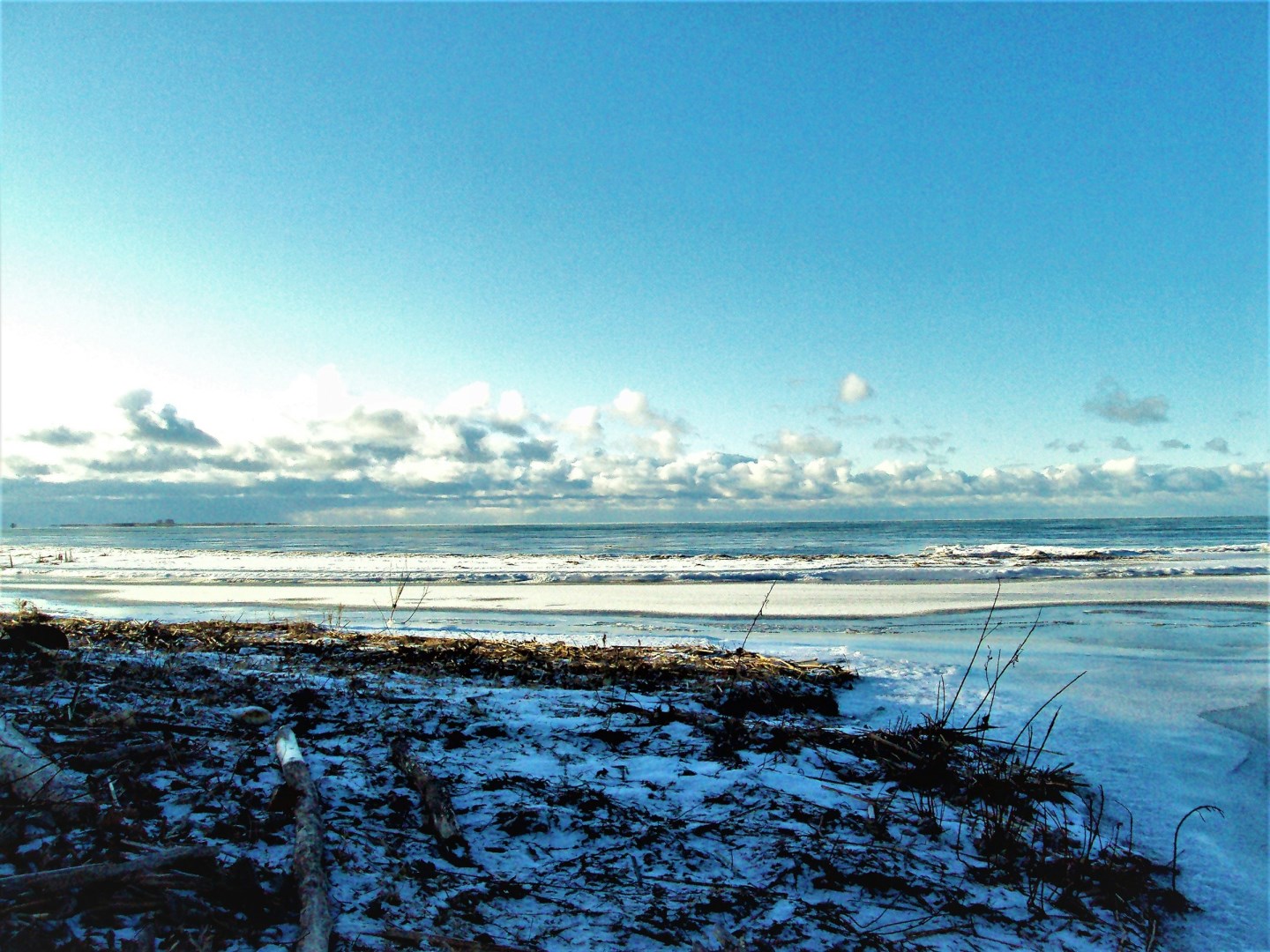

Bay City is a waterfront city in eastern Michigan, situated along the Saginaw River near its outlet into Saginaw Bay, one of the large bays of Lake Huron. Its location on the river helped establish the city as a center for lumber, shipbuilding, manufacturing, and commercial shipping. Today, the waterfront remains an important part of the city, with marinas, parks, trails, and historic buildings along the riverfront. Downtown Bay City contains a mix of restored commercial structures and residential neighborhoods, while the surrounding Saginaw Bay region is marked by wetlands, farmland, and freshwater habitats.
Bay City’s identity developed through the activities of Indigenous peoples, the lumber trade, river transportation, and immigration. The Saginaw Chippewa Indian Tribe maintains an important cultural presence in the wider region. The Bay City Historical Museum documents local history through collections and exhibits, while the historic Center Avenue neighborhood contains well-preserved homes associated with the city’s prosperous lumber era. The State Theatre and the Wenonah Park riverfront also contribute to the city’s cultural life. Local architecture reflects the wealth generated by timber and manufacturing, with Victorian-era homes and commercial buildings found throughout the older parts of the city.
The Saginaw River provides the setting for several of Bay City’s principal attractions. Wenonah Park occupies a prominent section of the downtown waterfront and includes walking areas, gardens, and an outdoor amphitheater. The Bay City State Park, located along Saginaw Bay, has sandy shoreline, wetlands, trails, and opportunities for swimming, fishing, and birdwatching. The Saginaw Valley Rail Trail follows a former railway corridor through the countryside west of the city, while the Tobico Marsh Wildlife Area protects coastal wetlands and provides habitat for waterfowl and other wildlife. Boat tours and riverfront events further connect the city with its waterways.
Bay City’s food traditions reflect Michigan’s agricultural and Great Lakes setting, with freshwater fish, locally grown produce, baked goods, and regional comfort foods common in the area. Walleye, perch, and other Great Lakes fish appear on local menus, while nearby farms contribute corn, apples, cherries, and other crops. The city’s waterfront also retains a connection to its shipbuilding heritage, with river traffic and recreational boats continuing to use the Saginaw River. Bay City’s location between the river and Saginaw Bay, combined with its lumber-era architecture and extensive wetlands, makes its relationship with water particularly central to its character.

Atkins Cruise and Tours
Call: (210) 805-8058 • Email: